
Context
Environmental integrity includes laws, regulations, and standards designed to protect natural resources, reduce pollution, and safeguard ecosystems. While effective environmental compliance at the international level is essential, local communities often face challenges that require specific tools and tailored solutions to address the impacts of pollution sources.
Many European cities continue to face unresolved environmental issues: despite complaints and reports from residents, the risk of exposure to harmful substances remains high.
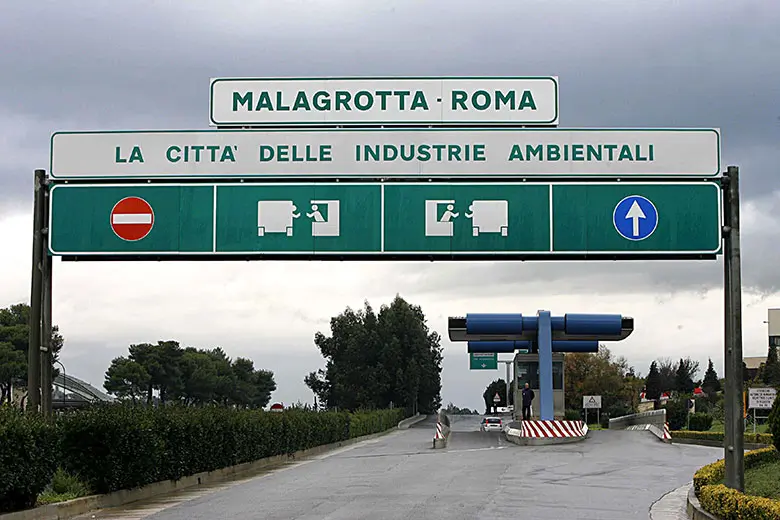
This is the case of Valle Galeria, one of the most environmentally compromised areas in Italy. Once an agricultural hub, the area is now a convergence point for highly toxic industrial activities.
With around 30,000 residents, the area hosts the former Malagrotta landfill (250 hectares), alongside petrochemical plants, waste treatment facilities, and other polluting activities. Over five decades, these activities have created a deeply interconnected web of environmental and health challenges.
Project
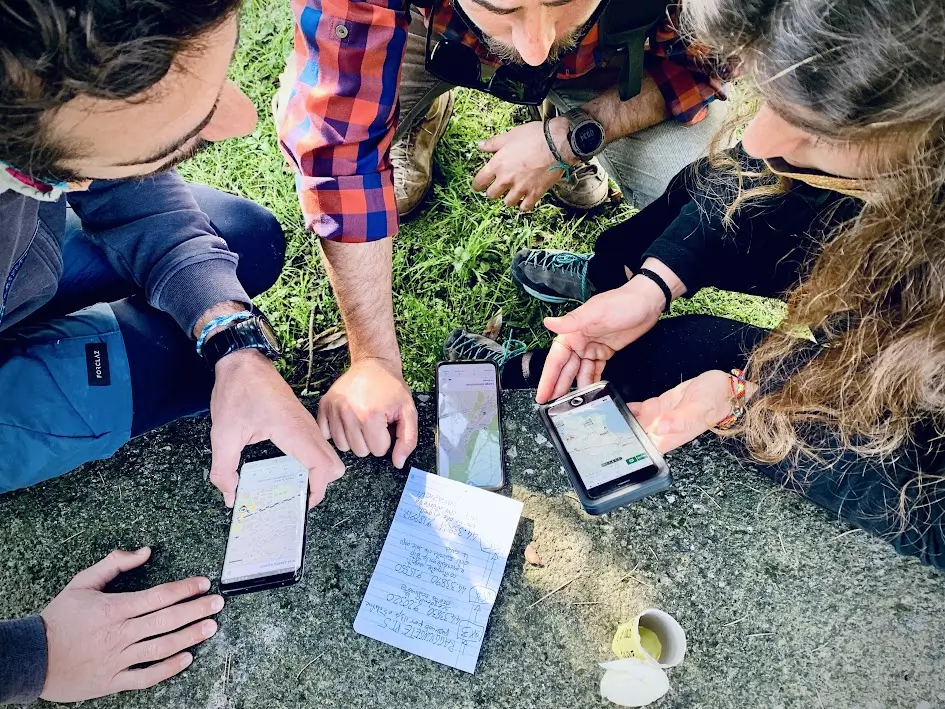
Enforce is a European network working to steer environmental policies toward actions that increase citizen involvement in monitoring pollutants across environmental matrices.
Its main goal is to empower communities, involving grassroots organizations, local and regional authorities, and researchers in environmental monitoring campaigns, while building initiatives that raise awareness about exposure to harmful substances.
The project includes eight European case studies: Amsterdam, Barcelona, Brașov, Catchment, Crete, the Flanders region, Rome, and Bitonto.
Enforce activities aim to develop tools that align citizen-generated data with official standards, improving their admissibility in court and their application in environmental compliance cases.
Risorse
Rights, tools, and practices to monitor pollution and build bottom-up collective oversight over territories and institutions.
Tools and rights to monitor pollution and defend territories. From Valle Galeria, practices of collective action.
Info
Duration: 2024-2026
Partners: G.A.C. Group (France), Civil Engineering – University of Thessaly, CSIC, Universität Bielefeld, University of Crete, Universiteit Uhasselt, SingularLogic, Amaranthus, Business Development Group Romania, ENoLL (European Network of Living Labs), EARSC
Beneficiaries: grassroots groups and associations
Funding: Horizon Programme